Are you interested in learning more about the
"The Neapolitan Cult of the Dead" (TONIGHT! top image)? Or perhaps the history of bizarre live theatrical performances "from phantasmagoria to self-crucifiers" (4th image)?
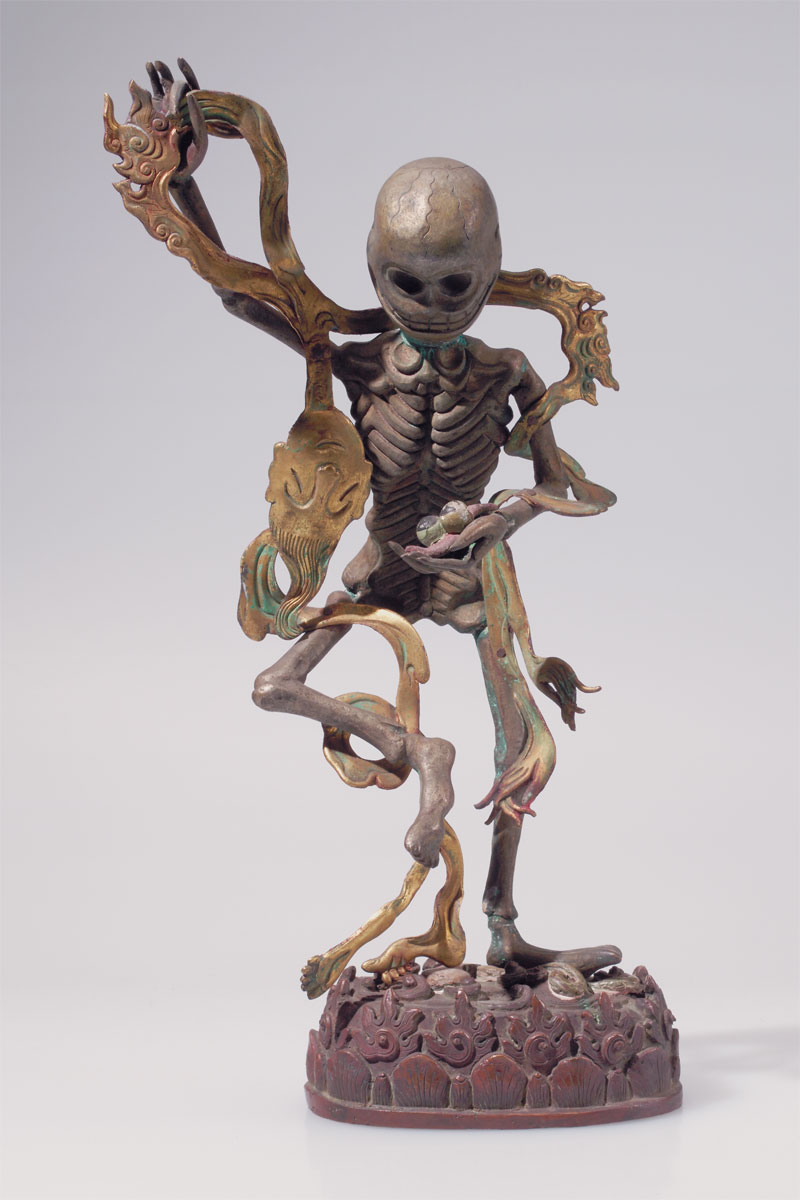
OR the art and history of "speaking reliquaries" (2nd image)
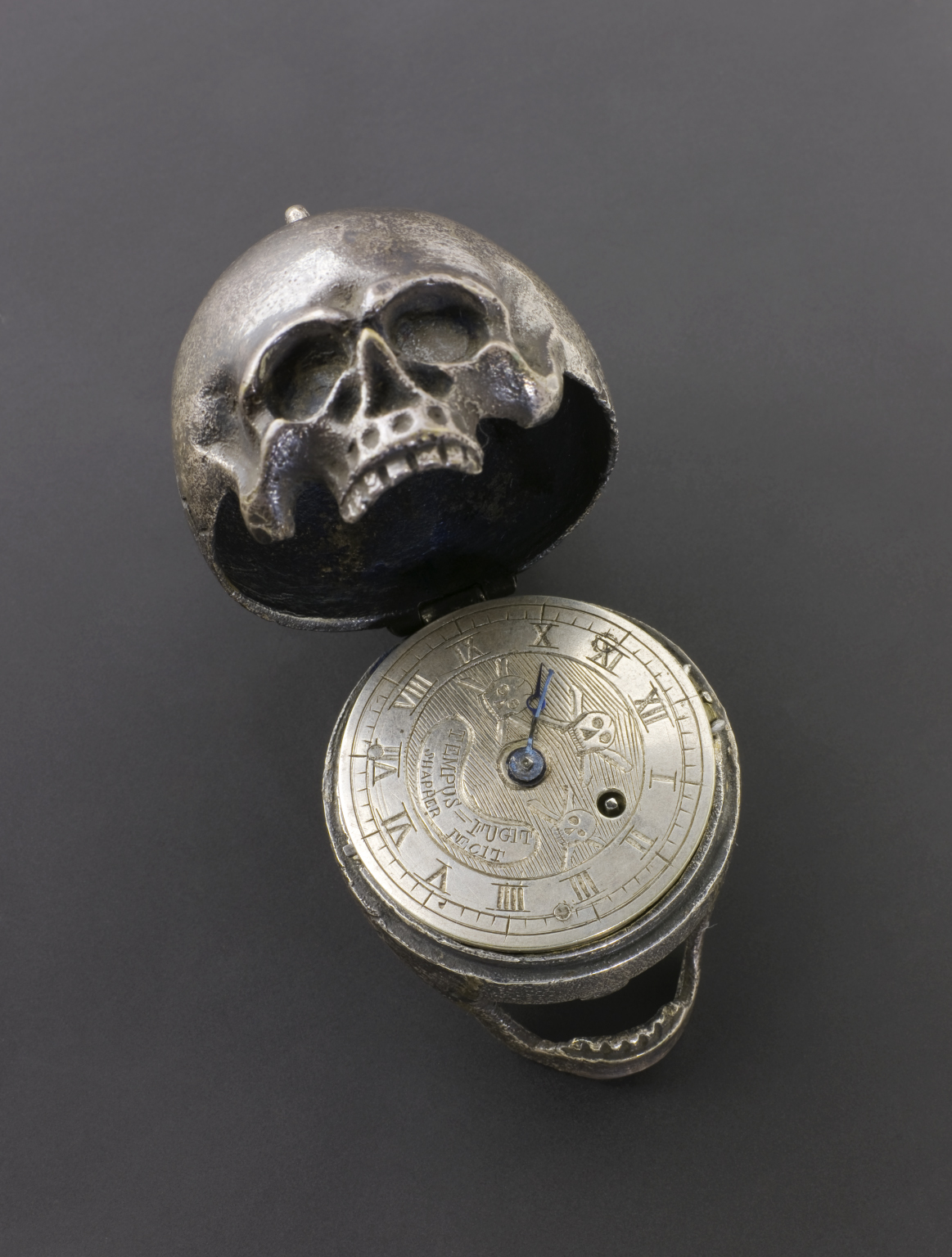
or death's head and
memento mori imagery?
If none of this draws you, than perhaps you might be interested in a workshop wherein students make their own Victorian-style hair art jewelry under the tutelage of a Tiffany's master jeweler (bottom image)? Failing that, perhaps you might be enticed by
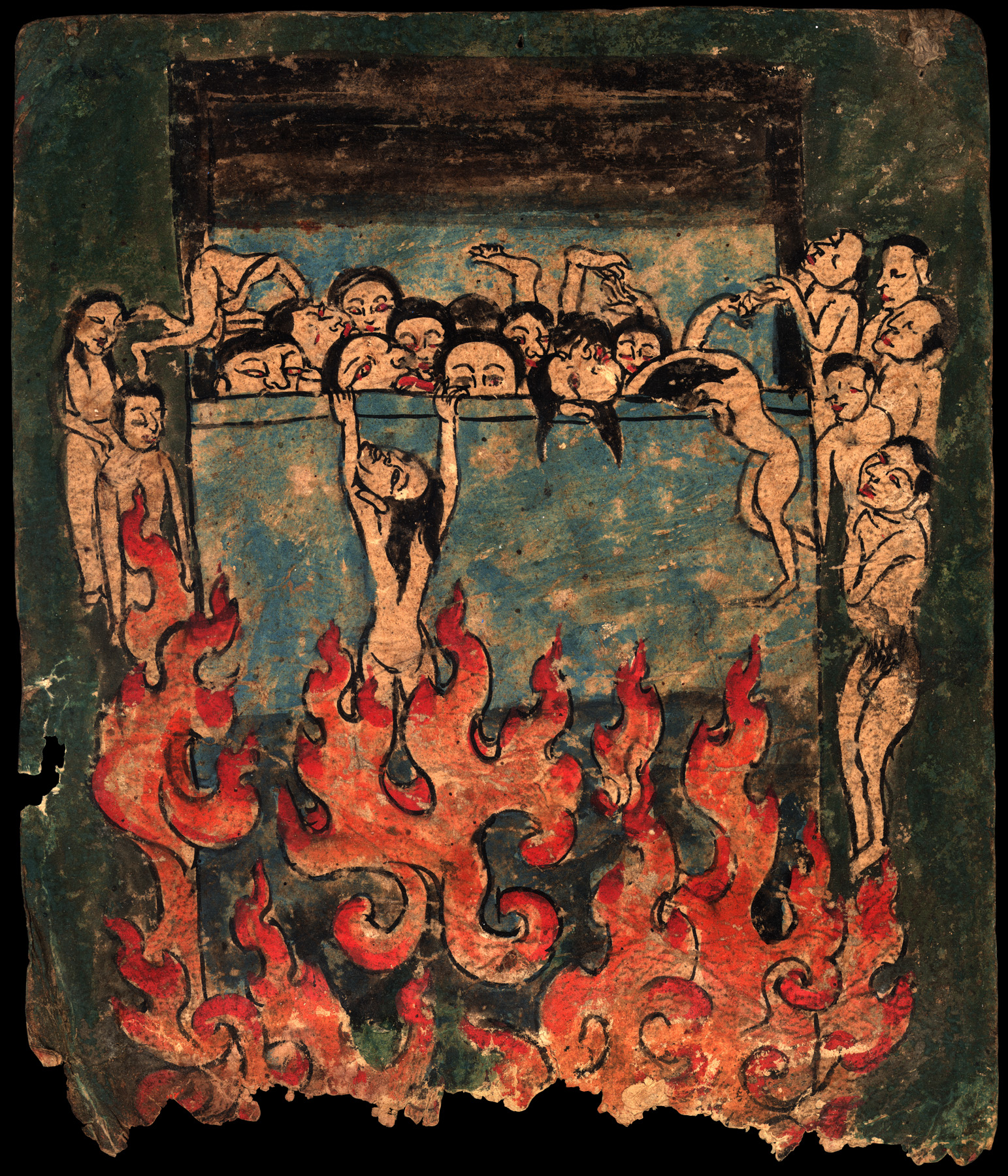
a real magic lantern show (!!!) showcasing "the weirdest, most inappropriate and
completely baffling" of lantern slides (3rd image)?
If any of the above is of interest, then this is the week for you. If not,
there is much more to come over the next few weeks and on into July.
Full details and ticket links follow; most events cost £7 and take place at 7pm at London's
Last Tuesday Society. Hope to see you at one or more!
________________________________
Neapolitan Cult of the Dead with Chiara Ambrosio
10th June 2013
Doors at 6:30 / Talk begins at 7:00 pm
Ticket price £7; Tickets
here
.. Naples, the most macabre of cities. Naples, the mouth of Hades. The dead are played with there like big dolls...
--
The Necrophiliac, Gabrielle Wittkop
Naples
is a unique city in which the sacred and the profane, Catholicism and
paganism, beauty and decay blend and contrast in intriguing ways. No
practice illustrates this tangle of ideas better than what is known as
"The Neapolitan Cult of the Dead" in which devout Catholics--generally
poor women--adopt anonymous skulls found in charnel houses and clean,
care for, and sometimes house them, offering up prayers and offerings to
shorten that soul's time in purgatory before reaching paradise, where,
it is hoped, it will assist its earthbound caretaker with special
favors. The macabre artifacts of this cult can be seen in the Cimitero
delle Fontanelle (see above) and the crypt of the church of Saint Mary
of Purgatory.
In tonight's illustrated lecture, Italian
artist and filmmaker Chiara Ambrosio will elucidate this curious and
fascinating "Neapolitan Cult of the Dead" and situate it within a the
rich death culture and storied history of Naples.
Chiara Ambrosio
is a visual artist working with video and animation. Her work has
included collaborations with performance artists, composers, musicians
and writers, and has been shown in a number of venues including national
and international film festivals, galleries and site specific events.
She also runs The Light and Shadow Salon is a place for artists, writers
and audience to meet and share ideas about the past, present and future
of the moving image in all its forms.
More
here.
________________________________
 I am Amazed and Know Not What to Say! - A Vile Vaudeville of Gothic Attractions: Illustrated lecture by Mervyn Heard, author of Phantasmagoria- The Secret Life of the Magic Lantern
11th June 2013
Doors at 6:30 / Talk begins at 7:00 pm
Ticket price £7; Tickets
here
An
illustrated talk in which writer and showman ‘Professor’ Mervyn Heard
waxes scattergun- sentimental over some of the more bizarre, live
theatrical experiences of the 18th, 19th and early 20th century – from
the various ghastly manifestations of the phantasmagoria to performing
hangmen, self-crucifiers and starving brides.
Mervyn Heard is the author of
Phantasmagoria- The Secret Life of the Magic Lantern
(2006), was responsible for designing the phantasmagoria intallation
for the Tate Britain’s Gothic Nightmare (2006), and has staged bespoke
magic lantern performances worldwide in playhouses, cinemas, department
stores, museums, tents and dissecting theatres.
More
here.
________________________________
Professor Heard's Most Extraordinary Magic Lantern Show with Mervyn Heard
12th June 2013
First performance begins at 7pm
Second performance begins at 9pm
Ticket price £10; Tickets
here
Professor
Heard is well known to patrons of the Last Tuesday Lecture programme
for his sell-out magic lantern entertainments. In this latest assault on
the eye he summons up some of the weirdest, most inappropriate and
completely baffling examples of lantern imagery, lantern stories and
optical effects by special request of Morbid Anatomy. These he will
present on a magnificent mahogany and brass magic lantern projector
perfectly suited for the purpose.
Mervyn Heard is the author of
Phantasmagoria-The Secret Life of the Magic Lantern (2006),
was responsible for designing the phantasmagoria installation for the
Tate Britain’s Gothic Nightmare (2006), and has staged bespoke magic
lantern performances worldwide in playhouses, cinemas, department
stores, museums, tents and dissecting theatres.
More
here.
________________________________
 "Speaking Reliquaries" and Christian Death Rituals: Illustrated lecture with Karen Bachmann
13th June 2013
Doors at 6:30 / Talk begins at 7:00 pm
Ticket price £7; Tickets
here
In
this 3-part series on human relics and Victorian mourning
jewelry--master jeweler and art historian Karen Bachmann will focus on
what are termed "speaking" reliquaries: the often elaborate containers
which house the preserved body parts--or relics--of saints and martyrs
with shapes which reflect that of the body-part contained within.
Bachmann will examine these fascinating objects from an art historical
perspective, and discuss their relationship to concepts of human body
parts as icons of the immortal. They will be put into the larger context
of Christian death rituals, in particular the veneration of saints body
parts as sacred and magical relics. Also discussed will be the
extremely odd proclivities of a variety of renaissance saints, such as
Catherine of Sienna who drank pus from open sores. This will serve as
the genesis in our further discussions of human hair, teeth, and nails
as icons of the immortal.
Karen Bachmann is a
fine jeweler with over 25 years experience, including several years on
staff as a master jeweler at Tiffany and Co. She is a Professor in the
Jewelry Design Dept at Fashion Institute of Technology as well as the
School of Art and Design at Pratt Institute. She has recently
completed her MA in Art History at SUNY Purchase with a thesis entitled
“Hairy Secrets; Human Relic as Memory Object in Victorian Mourning
Jewelry”. In her downtime she enjoys collecting biological specimens,
amateur taxidermy and punk rock.
More
here.
________________________________
 Hair Art Workshop Class: The Victorian Art of Hair Jewellery With Karen Bachmann
14th, 15th, and 16th June 2013 from 1 - 5pm
Ticket price £50; Tickets
here (14th June),
here (15th June), and
here (16th June)
Hair
jewellery was an enormously popular form of commemorative art that
began in the late 17th century and reached its zenith during the
Victorian Era. Hair, either of someone living or deceased, was encased
in metal lockers or woven to enshrine the human relic of a loved one.
This class will explore a modern take on the genre. The technique of
"palette working" or arranging hair in artful swoops and curls will be
explored and a variety of ribbons, beads, wire and imagery of mourning
iconography will be supplied for potential inclusion. A living or
deceased person or pet may be commemorated in this manner. Students are
requested to bring with them to class their own hair, fur, or feathers;
all other necessary materials will be supplied. Hair can be self-cut,
sourced from barber shops or hair salons (who are usually happy to
provide you with swept up hair), from beauty supply shops (hair is sold
as extensions), or from wig suppliers. Students will leave class with
their own piece of hair jewelry and the knowledge to create future
projects.
More
here.
________________________________
The
History of the Memento Mori and Death's Head Iconography
Illustrated lecture with Art Historian and
Master Jeweler Karen Bachmann
14th June 2013
Doors at 6:30 / Talk begins at 7:00 pm
Ticket price £7; Tickets
here
In
tonight's lecture--the second in a 3-part series on human relics and
Victorian mourning jewelry--master jeweler and art historian Karen
Bachmann will explore the development of the memento mori,objects whose
very raison d'être is to remind the beholder that they, too, will die.
Bachman will trace the symbolism and iconography of the memento mori and
death's head imagery in both Medieval and Renaissance art, focusing on
jewelry. She will also discuss the development of the "portable relic"
-- a wearable form of body part reliquary, will be the focus of this
lecture. The importance of hair in contemporaneous art of the period
will be addressed, as well as the development of bereavement jewelry
with hair.
More
here.
________________________________
The
Victorian Love Affair with Death and the Art of Mourning Hair Jewelry: Illustrated lecture with Art
Historian and Master Jeweler Karen Bachmann
17th June 2013
Doors at 6:30 / Talk begins at 7:00 pm
Ticket price £7; Tickets
here
The
Victorians had a love affair with death which they expressed in a
variety of ways, both intensely sentimental and macabre. Tonight’s
lecture–the last in a 3-part series on human relics and Victorian
mourning jewelry–will take as its focus the apex of the phenomenon of
hair jewelry fashion in the Victorian Era as an expression of this
passion. Nineteenth century mourning rituals will be discussed, with a
particular focus on Victorian hairwork jewelry, both palette worked and
table worked. Also discussed will be the historical roots of the
Victorian fascination with death, such as high mortality rates for both
adults and children, the rise of the park cemetery, and the death of
Queen Victoria’s beloved Prince Albert and her subsequent
fashion-influencing 40-year mourning period. Historical samples of hair
art and jewelry from the lecturer’s personal collection will also be
shown.
More
here.
________________________________
Dissection and Magic with Constanza Isaza Martinez
18th June 2013
Doors at 6:30 / Talk begins at 7:00 pm
Ticket price £7; Tickets
here
This
lecture examines images of human corpses in Early Modern European art
in relation to two specific themes: the practice of ‘witchcraft’ or
‘magic’; and the emergent medical profession, particularly anatomical
dissection. As the images demonstrate, the two practices were closely
linked during this period, and the corpses were a source - albeit
fraught with anxieties - of power and knowledge for the figures of the
witch and the anatomist.
Constanza Isaza Martinez
is an artist, photographer, and independent researcher. She gained her
BA in Photographic Arts from the University of Westminster, and her MA
in History of Art from the Courtauld Institute. Both her art and her
research have frequently explored themes of mortality, mutability,
death, and decay. For more information, please visit
www.constanzaisaza.com.
More
here.
________________________________
Future
Death. Future Dead Bodies. Future Cemeteries: Illustrated lecture by
Dr. John Troyer, Deputy Director of the Centre for Death and Society at
the University of Bath
20th June 2013
Doors at 6:30 / Talk begins at 7:00 pm
Ticket price £7; Tickets
here
Approximately
1500 people die every day across the United Kingdom, roughly one person
a minute. And unless you are a person who works in a profession
connected to the dying, chances are good you rarely (if ever) see any of
these 1500 dead bodies. More importantly-- do you and your next of kin
know what you want done with your dead body when you die? In the future,
of course, since it's easier to think that way. Dr. John Troyer, from
the Centre for Death & Society, University of Bath, will discuss
three kinds of postmortem futures: Future Death, Future Dead Bodies,
and Future Cemeteries. Central to these Futures is the human corpse and
its use in new forms of body disposal technology, digital technology
platforms, and definitions of death.
Dr. John Troyer
is the Deputy Director of the Centre for Death and Society at the
University of Bath. His interdisciplinary research focuses on
contemporary memorialisation practices, concepts of spatial
historiography, and the dead body?s relationship with technology. Dr.
Troyer is also a theatre director and installation artist with extensive
experience in site-specific performance across the United States and
Europe. He is a co-founder of the
Death Reference Desk website and a frequent commentator for the BBC. His forthcoming book,
Technologies of the Human Corpse (published by the University of North Carolina Press), will appear in 2013.
More
here.
________________________________
 ‘She
Healed Their Bodies With Her White Hot Passions’: The Role of the Nurse
in Romantic Fiction with Natasha McEnroe: Illustrated lecture Natasha
McEnroe, Director of the Florence Nightingale Museum
23rd June 2013
Doors at 6:30 / Talk begins at 7:00 pm
Ticket price £7; Tickets
here
“She
stood by, handing him the required instruments while he stitched up an
ice-pick stabbing that had by some miracle barely missed a woman’s
heart. She heard the woman’s thick voice as she went under the
anaesthetic: ‘My man didn’t really mean to hurt me, Doc. He was just mad
account of I didn’t have him a meat supper when he got home from
work.’” [Society Nurse, 1962].
Under such
dramatic circumstances, it is no wonder that passion flares between the
beautiful young nurse and her handsome doctor colleague. The figure of
the nurse in romance fiction is a powerful one, her starched white apron
covering a breast heaving with suppressed emotion. Victorian portrayals
of the nurse show either a drunken and dishonest old woman or an
angelic and devoted being, which changes to a 20th-century caricature
just as pervasive – that of the ‘sexy nurse’. In this talk, Natasha
McEnroe will explore the links between the enforced intimacy of the
sickroom and the handling of bodies for more recreational reasons.
Natasha McEnroe
is the Director of the Florence Nightingale Museum. Her previous post
was Museum Manager of the Grant Museum of Zoology and Comparative
Anatomy and Curator of the Galton Collection at University College
London. From 1997 – 2007, she was Curator of Dr Johnson’s House in
London’s Fleet Street, and has also worked for the National Trust and
the Victoria and Albert Museum. Natasha has lectured widely at venues
including the Royal Society, the British Museum and the Hunterian
Museum.
More
here.
________________________________
Face
lift or face reconstruction? Redesigning the Museum Vrolik, Amsterdam's
anatomical museum: An illustrated lecture with Dr. Laurens de Rooy,
curator of the Museum Vrolik in Amsterdam
24th June 2013
Doors at 6:30 / Talk begins at 7:00 pm
Ticket price £7; Tickets
here
Copies of the book
Forces of Form: The Vrolik Museum will be available for sale and signing.
Two
skeletons of dwarfs, rare Siamese twins, cyclops and sirens, dozens of
pathologically deformed bones, the giant skull of a grown man with
hydrocephalus, the skeleton of the lion once owned by king Louis
Napoleon, as well as the organs of a babirusa, Tasmanian devil and tree
kangaroo – rare animals that died in the Amsterdam zoo ‘Artis’ shortly
before their dissection. Counting more than five thousand preparations
and specimens, the Museum Vrolikianum, the private collection of father
Gerard (1775-1859) and his son Willem Vrolik (1801-1863), was an amazing
object of interest one hundred and fifty years ago. In the 1840s and
50s this museum, established in Gerard’s stately mansion on the river
Amstel, grew into a famous collection that attracted admiring scientists
from both the Netherlands and abroad. After the Vrolik era, the museum
was expanded with new collections by succeeding anatomists and the
museum now houses more than 10,000 anatomical specimens.
Since
1984, the museum has been located in the academic Hospital of the
University of Amsterdam. In 2009 the museum collections were portrayed
by the photographer Hans van den Bogaard for the book Forces of Form.
This book was the starting point for the creation of a new 'aesthetic'
of the museum and its collection, eventually resulting in the grand
reopening of the renovated and redesigned permanent exhibition in
September 2012. For the first time since the death of father and son
Vrolik, all of their scientific interests - the animal anatomy, the
congenital malformations and the pathologically deformed human skeletons
can all be viewed together, thus giving an impression of what that
mid-19th century anatomy was all about. In this talk, Museum Vrolik
curator will take you on a guided tour of the new museum, and give an
overview of all the other aspects of the 'new' Museum Vrolik.
Dr. Laurens de Rooy
(b. 1974) works as a curator of the Museum Vrolik in the Academic
Medical Centre in Amsterdam. He studied Medical Biology, specializing in
the history of science and museology. during his internship he
researched the collection of father and son Vrolik. In 2009 he obtained
his PhD in medical history.
More
here.
________________________________
 The Walking Dead in 1803: An Illustrated Lecture with Phil Loring,
Curator of Psychology at the Science Museum in London
25th June 2013
Doors at 6:30 / Talk begins at 7:00 pm
Ticket price £7; Tickets
here
A
visiting Italian startled Londoners at the turn of the 19th century by
making decapitated animals and executed men open their eyes and move
around, as if on the verge of being restored to life. This was not magic
but the power of electricity from the newly invented Galvanic trough,
or battery. It was also the dawn of the modern neurosciences, as the
thrust behind these macabre experiments was to understand the energy
that moved through the nerves and linked our wills to our bodies. This
talk will discuss a variety of historical instruments from the Science
Museum's collections that figured in these re-animation experiments,
including the apparatus used by Galvani himself in his laboratory in
Bologna. This will be a partial preview of an upcoming Science Museum
exhibition on nerve activity, to open in December 2013.
Phil Loring
is BPS Curator of Psychology at the Science Museum in London. He has a
Master's degree in Medical Anthropology from Harvard University and is
currently completing his Ph.D. in the History of Science, also from
Harvard, with a dissertation on psycho-linguists in Cambridge,
Massachusetts, after the Second World War. Phil has been at the Science
Museum since 2009, and during that time he has been particularly
committed to sharing artefacts related to psychology and psychiatry with
adult audiences. He's currently preparing an exhibition on the history
of nerves, to open in December 2013.
More
here.
________________________________
The Influencing Machine: James Tilly Matthews and the Air Loom with Mike Jay
26th June 2013
Doors at 6:30 / Talk begins at 7:00 pm
Ticket price £7; Tickets
here
Confined
in Bedlam in 1797 as an incurable lunatic, James Tilly Matthews’ case
is one of the most bizarre in the annals of psychiatry. He was the first
person to insist that his mind was being controlled by a machine: the
Air Loom, a terrifying secret weapon whose mesmeric rays and mysterious
gases were brainwashing politicians and plunging Europe into revolution,
terror and war. But Matthews’ case was even stranger than his doctors
realised: many of the incredible conspiracies in which he claimed to be
involved were entirely real. Caught up in high-level diplomatic
intrigues in the chaos of the French revolution, he found himself
betrayed by both sides, and in possession of a secret that no-one would
believe…
Mike Jay is
an author, historian and curator who has written widely on the history
of science and medicine, and particularly on drugs and madness. As well
as
The Influencing Machine, he is the author of
Emperors of Dreams: Drugs in the Nineteenth Century and
High Society: Mind-Altering Drugs in History and Culture, which accompanied the exhibition he curated at Wellcome Collection.
More
here.
________________________________
Madame Tussaud, the French and the Guillotine: Illustrated Lecture by Pamela Pilbeam Emeritus Professor of French
History, Royal Holloway, University of London and author of Madame Tussaud and the History of Waxworks
27th June 2013
Doors at 6:30 / Talk begins at 7:00 pm
Ticket price £7; Tickets
here
`You
perceive that this is some sort of holy of holiest, the nearest
Victorians got to a Cathedral, with its saints enniched within’. The
chief saint in Madame Tussaud’s exhibition was Bonaparte, the chief
villains were Robespierre and his revolutionary colleagues. When she
arrived in Britain in 1802 for a short tour that lasted until she died
in 1850, her exhibition was an exploration of the evils of the French
Revolution. She had modelled the guillotined revolutionaries, as well as
Louis XVI and Marie-Antoinette, from their severed heads- and brought a
model of a guillotine and the Bastille fortress to expose the short
comings of the French. The British, busily at war with their nearest
neighbour, loved this critical exposure. Later the focus of her
collection became her `Shrine to Napoleon’ consisted of two rooms
dedicated to the Emperor. Napoleon had always had a leading role in her
touring company, but in 1834, when she was a well-established figure in
the world of entertainment and about to open a permanent museum in Baker
Street, Madame. Tussaud began to amass large quantities of Napoleonic
memorabilia. She built up a collection which Napoleon III acknowledged,
when he tried abortively to buy it from the Tussauds, to be the best in
the world. Madame Tussaud’s presentation of French politics and history
did much to inform and influence the popular perception of France among
the British. This paper will explore that view and how it changed during
the nineteenth century.
Pamela Pilbeam is Emeritus Professor of French History, Royal Holloway, University of London. She is the author of
Madame Tussaud and the History of Waxworks.
More
here.
________________________________
 |
© The Natural History Museum,
London 2012. All Rights Reserved. |
Backstage Tour of the Zoological Collection of the Natural History Museum with Miranda Lowe
28th June 2013
Limited to 10 participants; Time 3:00 - 4:00
Ticket price £20; Tickets
here
Today,
ten lucky people will get to join Miranda Lowe, Collections Manager of
the Aquatic Invertebrates Division, for a special backstage tour of The
Natural History Museum of London. The tour will showcase the zoological
spirit collections in the Darwin Centre, some of Darwin’s barnacles and
the famed collection of glass marine invertebrate models crafted by
Leopold and Rudolf Blaschka in the 19th and early 20th century.
Miranda
Lowe is the Collections Manager of the Aquatic Invertebrates Division,
Life Sciences Department, The Natural History Museum (NHM), London.
Within Zoology Miranda specifically manages the Crustacea collections as
well as the team of curators responsible for the Invertebrate
collections. Darwin barnacles and the Blaschka marine invertebrate glass
models are amongst some of the historical collections that are her
interests and under her care. In 2006, she was part of the organising
committee and invited speaker at the 1st international Blaschka congress
held in Dublin. Miranda collaborated with the National Glass Centre,
Sunderland, UK in 2008 to exhibit some of the Museum’s Blaschka
collection alongside contemporary Blaschka inspired art. She also has an
interest in photography, natural history - past and present serving on a
number of committees including the Society for the History of Natural
History (SHNH) and the Natural Sciences Association (NatSCA).
More
here.
________________________________
Bat
in Glass Dome Workshop: Part of DIY Wunderkammer Series : With Wilder
Duncan (formerly of Evolution Store, Soho) and Laetitia Barbier, head
librarian at The Morbid Anatomy Library
29th June and 30th June 2013, 1 to 5pm
Ticket price £150; Tickets
here (29th) and
here (30th)
In
this class, students will learn how to create an osteological
preparation of a bat in the fashion of 19th century zoological displays.
A bat skeleton, a glass dome, branches, glue, tools, and all necessary
materials will be provided for each student, but one should feel welcome
to bring small feathers, stones, dried flowers, dead insects, natural
elements, or any other materials s/he might wish to include in his/her
composition. Students will leave the class with a visually striking,
fully articulated, “lifelike” bat skeleton posed in a 10” tall glass
dome. This piece can, in conjunction with the other creations in the DIY
Wunderkammer workshop series, act as the beginning of a genuine
collection of curiosities! This class is part of the DIY Wunderkammer
workshop series, curated by Laetitia Barbier and Wilder Duncan for
Morbid Anatomy as a creative and pluridisciplinary exploration of the
Curiosity Cabinet. The classes will focus on teaching ancient methods of
specimen preparation that link science with art: students will create
compositions involving natural elements and, according to their taste,
will compose a traditional Victorian environment or a modern display.
More on the series can be found here.
Wilder Duncan
is an artist whose work puts a modern-day spin on the genre of Vanitas
still life. Although formally trained as a realist painter at Wesleyan
University, he has had a lifelong passion for, and interest in, natural
history. Self-taught rogue taxidermist and professional specimen
preparator, Wilder worked for several years at The Evolution Store
creating, repairing, and restoring objects of natural historical
interest such as taxidermy, fossils, seashells, minerals, insects,
tribal sculptures, and articulated skeletons both animal and human.
Wilder continues to do work for private collectors, giving a new life to
old mounts, and new smiles to toothless skulls.
Laetitia Barbier is the head librarian at
The Morbid Anatomy Library.
She is working on a master’s thesis for the Paris Sorbonne on painter
Joe Coleman. She writes for Atlas Obscura and Morbid Anatomy.
More
here (29th) and
here (30th).
________________________________
The Coming of Age of the Danse Macabre on the Verge of the Industrial Age: Illustrated lecture with Alexander L. Bieri
9th July 2013
Doors at 6:30 / Talk begins at 7:00 pm
Ticket price £7; Tickets
here
During
the middle ages, the danse macabre developed into an independent art
form, most often in the shape of murals which adorned the walls of
cemeteries. These depictions of death followed a strict rulebook and
generally were a representation of the class system of the time, which
was based on nobility or – to be more precise – the estate-based
society. The advent of the bourgeois during the 1700s and the upcoming
industrialisation put a question mark not only behind the societal
system, but quite naturally also behind many of the established art
forms. The danse macabre was widely regarded to be an outdated concept
and a discussion evolved whether the skeleton still was the appropriate
epitome for death. One of the proponents of this discussion was the
Swiss artist Johann Rudolf Schellenberg, who created the first modern
danse macabre in 1785, far away from the old class system, a work of art
which still has an uncanny actuality and addresses many of the modern
fears still extant in society at present. His trailblazing work updated
the genre overnight and can be seen as the master source of all similar
works of art to follow. A complete set of the plates is held by the
Roche Historical Collection and Archive in Basel, which also holds one
of the world’s oldest anatomical collections. The lecture not only
discusses Schellenberg’s danse macabre in detail, but also gives an
insight into the current fascination with vanitas and its depictions,
especially focusing on the artistic exploitation of the theme and takes
into consideration the history of anatomical dissection and preparation.
Alexander
L. Bieri (*1976) is the curator of the Roche Historical Collection and
Archive, a department within Roche Group Holdings. He assumes this
position since 1999. Based in Basel, Switzerland but active as a
consultant throughout the world, he has published many books and
articles both on Roche-related and other themes. He also is responsible
for a variety of Roche in-house museums and curated special exhibitions
in Switzerland and abroad. In his capacity as an expert for 20th century
architecture and design, he is a member of ICOMOS. In 2012, he was
appointed lecturer for exhibition design at the Basel University.
More
here.
________________________________
Viva la Muerte: The Mushrooming Cult of Saint Death": Illustrated lecture and book signing with Andrew Chesnut
10th July 2013
Doors at 6:30 / Talk begins at 7:00 pm
Ticket price £7; Tickets
here
The
worship of Santa Muerte, a psuedo Catholic saint which takes the form
of a personified and clothed lady death, is on the rise and increasingly
controversial in Mexico and the United States. Literally translating to
“Holy Death” or “Saint Death,” the worship of Santa Muerte–like Day of
the Dead–is a popular form of religious expression rooted in a rich
syncretism of the beliefs of the native Latin Americans and the
colonizing Spanish Catholics. Worshippers of "The Bony Lady" include the
very poor, prostitutes, drug dealers, transvestites, prison inmates and
others for whom traditional religion has not served, and for whom the
possibility of unpredictable and violent death is a very real part of
everyday life. In the view of her worshippers, Santa Muerte is simply a
branch of Catholicism which takes at its central figure the most
powerful of all saints--Saint Death herself, the saint all must, after
all, one day answer to.The Catholic Church sees it, however, as, at
best, inadvertent devil worship, with the worship of death--and the
manifestation of a saint from a concept rather than an individual--as
heretical to its core tenants. Tonight, R. Andrew Chesnut, author of
Devoted to Death: Santa Muerte, the Skeleton Saint
and Chair in Catholic Studies at Virginia Commonwealth University, will
detail his research into the history and ongoing development of this
fascinating "new religion."
Copies of
Devoted to Death: Santa Muerte, the Skeleton Sain will be available for sale and signing.
Dr. R. Andrew Chesnut
earned his Ph.D degree in Latin American History from the University of
California, Los Angeles in 1995 and joined the History Department
faculty at the University of Houston in 1997 where he quickly became an
internationally recognized expert on Latin American religious history.
His most recent book is
Devoted to Death: Santa Muerte, the Skeleton Saint (Oxford University Press, 2012). It is the first in-depth study of the Mexican folk saint in English.
More
here.
________________________________
 From
Blue Beads to Hair Sandwiches: Edward Lovett and London's Folk
Medicine: An Illustrated lecture with Ross MacFarlane, Research
Engagement Officer in the Wellcome Library
15th July 2013
Doors at 6:30 / Talk begins at 7:00 pm
Ticket price £7; Tickets
here
During
his life Edward Lovett (1852-1933) amassed one of the largest
collections of objects pertaining to 'folk medicine' in the British
Isles. Lovett particularly focused his attention on objects derived
from contemporary, working class Londoners, believing that the amulets,
charms and mascots he collected - and which were still being used in
20th century London - were 'survivals' of antiquated, rural practices.
Lovett, however, was a marginal figure in folklore circles, never
attaining the same degree of influence as many of his peers. Whilst he
hoped in his lifetime to establish a 'National Museum of Folklore',
Lovett's sizeable collection is now widely dispersed across many museums
in the UK, including Wellcome Collection, the Science Museum, the Pitt
Rivers Museum and the Cuming Museum. This paper will offer an overview
of the range of healing objects Lovett collected, the collecting
practices he performed and recent efforts to rehabilitate his
reputation.
Ross MacFarlane
is Research Engagement Officer in the Wellcome Library, where he is
heavily involved in promoting the Library's collections, particularly to
academic audiences. He has researched and given public talks on such
topics as the history of early recorded sound and the collecting
activities of Henry Wellcome and his members of staff. Ross is a
frequent contributor to the
Wellcome Library's blog
and has had led guided walks around London on the occult past of
Bloomsbury and the intersection of medicine, science and trade in
Greenwich and Deptford.
More
here.
________________________________
The Vampires of London: A Cinematic Survey with William Fowler (BFI) and Mark Pilkington (Strange Attractor)
18th July 2013
Doors at 6:30 / Talk begins at 7:00 pm
Ticket price £7; Tickets
here
This
heavily illustrated presentation and film clip selection explores
London's Highgate Cemetery as a locus of horror in the 1960s and 1970s
cinema, from mondo and exploitation to classic Hammer horror.
William Fowler
is curator of artists' moving image at the BFI National Archive and
co-programmes the cult cinema strand at Flipside at BFI Southbank.
Mark Pilkington runs Strange Attractor Press and is the author of 'Mirage Men' and 'Far Out: 101 Strange Tales from Science's Outer Edge'.
More
here.
________________________________
"Here's
a Health to the Barley Mow: a Century of Folk Customs and Ancient Rural
Games" Screenings of Short Films from the BFI Folk Film Archives with
William Fowler
24th July 2013
Doors at 6:30 / Talk begins at 7:00 pm
Ticket price £7; Tickets
here
Tonight,
the British Film Institute's William Fowler will present a number of
rare and beautiful short films from the BFI National Archive and
Regional Film Archives showing some of our rich traditions of folk
music, dance, customs and sport. Highlights include the alcoholic folk
musical Here's a Health to the Barley Mow (1955), Doc Rowe’s speedy
sword dancing film and the Padstow Mayday celebration Oss Oss Wee Oss
(Alan Lomax/Peter Kennedy 1953).
The programme provides
a taste of the BFI's 6-hour DVD release 'Here's a Health to the Barley
Mow: a Century of Folk Customs and Ancient Rural Games', a rich and
wide-ranging collection of archive films from around the UK.
William Fowler
is curator of artists' moving image at the BFI National Archive and
co-programmes the cult cinema strand at Flipside at BFI Southbank.
More
here.
________________________________
Of
Satyrs, Horses and Camels: Natural History in the Imaginative Mode:
illustrated lecture by Daniel Margócsy, Hunter College, New York
25th July 2013
Doors at 6:30 / Talk begins at 7:00 pm
Ticket price £7; Tickets
here
This
talk argues that the creative imagination played a crucial role in the
development of science during the scientific revolution. Modern, natural
knowledge emerged from the interaction of painters, printmakers,
artisans, cartographers, and natural historians. All these practitioners
carefully observed, pictured and cataloged all the exotic naturalia
that flooded Europe during the Columbian exchange. Yet their
collaboration did not end there. They also engaged in a joint,
conjectural guesswork as to what other, as yet unknown plants and
animals might hide in the forests of New England, the archipelago of the
Caribbean, the unfathomable depths of the Northern Sea, or even in the
cavernous mountains of the Moon. From its beginnings, science was (and
still is) an imaginative and speculative enterprise, just like the arts.
This talk traces the exchange of visual information between the major
artists of the Renaissance and the leading natural historians of the
scientific revolution. It shows how painters’ and printmakers’
fictitious images of unicorns, camels and monkfish came to populate the
botanical and zoological encyclopedias of early modern Europe. The
leading naturalists of the age, including Conrad Gesner, Carolus Clusius
and John Jonstonus, constantly consulted the oeuvre of Dürer, Rubens
and Hendrick Goltzius, among others, as an inspiration to hypothesize
how unknown, and unseen, plants and animals might look like.
Daniel Margocsy
is assistant professor of history at Hunter College – CUNY. In 2012/3,
he is the Birkelund Fellow of the New York Public Library’s Cullman
Center for Scholars and Writers. He has co-edited States of Secrecy, a
special issue of the British Journal for the History of Science on
scientific secrecy, and published articles in the
Journal of the History of Ideas, Annals of Science, and the
Netherlands Yearbook of Art History.
More
here.
________________________________
All talks and workshops take place at The Last Tuesday Society at 11 Mare Street, London, E8 4RP map
here) unless otherwise specified; please click
here to buy tickets. More on all events can be found
here. Click on images to see larger versions.