Wednesday, January 2, 2008

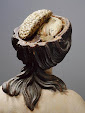
Jodie Carey, 21st Century


Artworks made from icing, blood, and human hair and taking the form of bones, memorial wreaths, and chandeliers. Good stuff, found via Phantasmaphile.

P.S. Doesn't image 3 look just a little bit familiar?

Jodie Carey, 21st Century


Artworks made from icing, blood, and human hair and taking the form of bones, memorial wreaths, and chandeliers. Good stuff, found via Phantasmaphile.

P.S. Doesn't image 3 look just a little bid familiar?

Tuesday, January 1, 2008

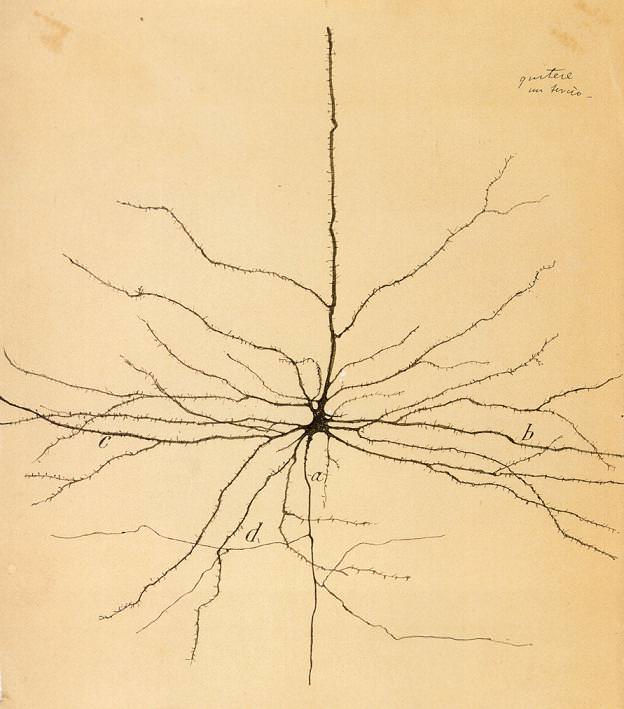
Santiago Ramón y Cajal (1852-1934)


My sister Laura got me a great birthday gift this year--a book called Super Vision: A New View of Nature.

One of the best things about the book is that its inclusion of one of Spanish anatomist Santiago Ramón y Cajal's delicate and elegant drawings of the cells of the retina. His drawings look more like surrealistic seascapes or minimalist compositions than medical illustration. Find out more about him here and see more images of his work here.

Monday, December 31, 2007

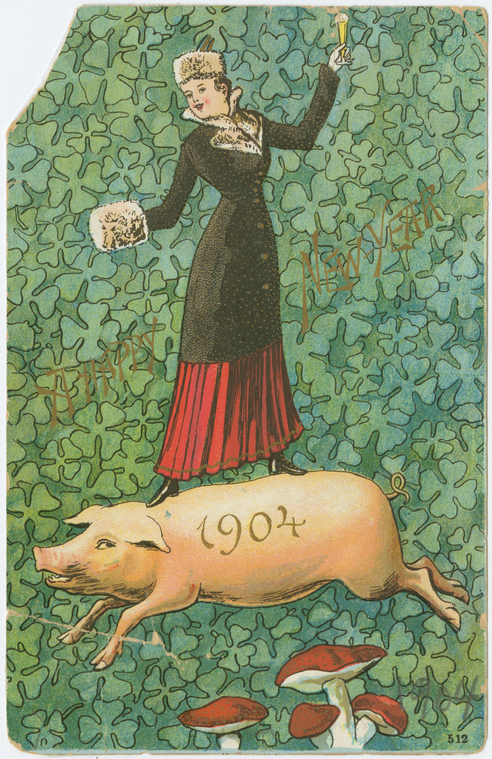
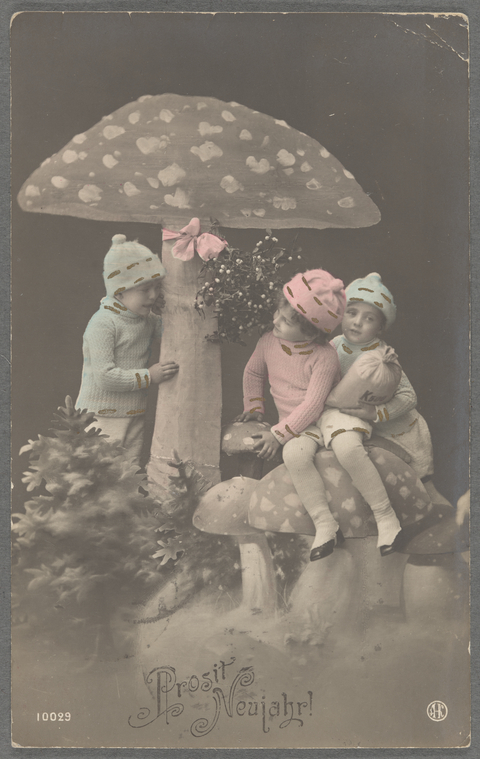
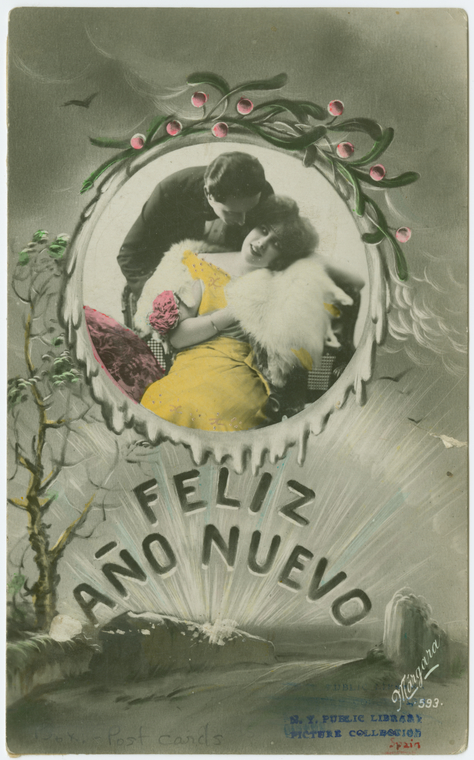
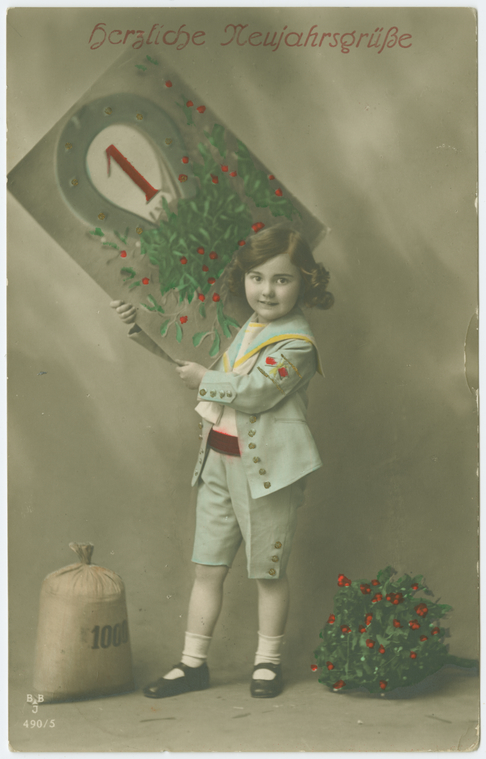
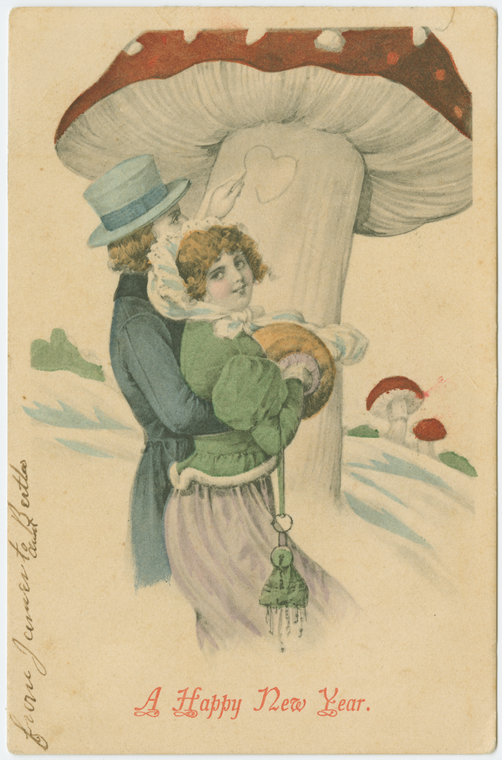
Happy New Year!


All images via the New York Public Library Digital Gallery. What's up with the mushroom motif? Forgotten New Years metaphors? Ideas, anyone?

Thursday, December 27, 2007

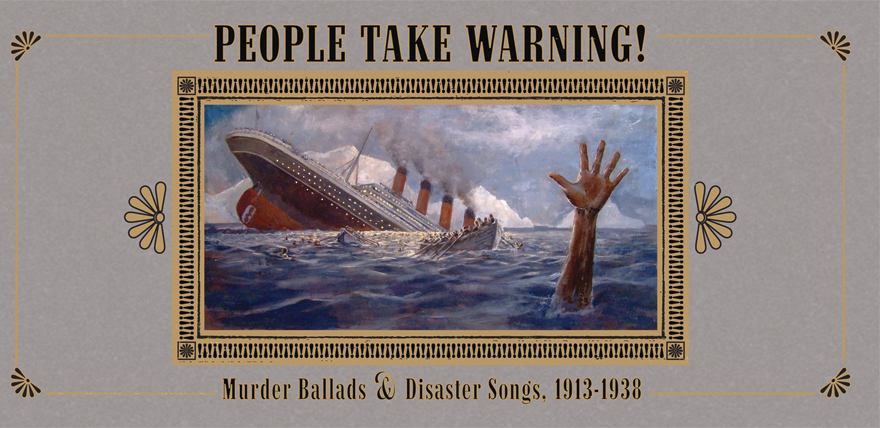
People Take Warning! Murder Ballads & Disaster Songs 1913-1938


As I type this entry, I am enjoying the wonderful CD set People Take Warning! Murder Ballads & Disaster Songs 1913-1938.

It is a 3 CD set, packed into an illustrated book full of historical information about each song. There are three themed CDs--"Man versus Machine," "Man versus Nature," and "Man versus Man (and Woman too.)" Here is a sample of some of the songs you'll find here: "Titanic Blues (1932)" (one of about 5 other songs on this theme), "Memphis Flu (1930)," "Burning of the Cleveland School (1933), "Fatal Wreck of the Bus (1936)," "The Santa Barbara Earthquake (1928) , and "Murder of the Lawson Family" (1930).

Thanks, Herbert, for alerting me to this collection. And special thanks to Gerry Newland for buying it for me. You can download an MP3 from the collection and find out more here.

Wednesday, December 26, 2007

The Art of Medical Models, via Metafilter


Check out this great posting on Meta Filter about The Art of Medical Models. Make sure to check out the comments as well.

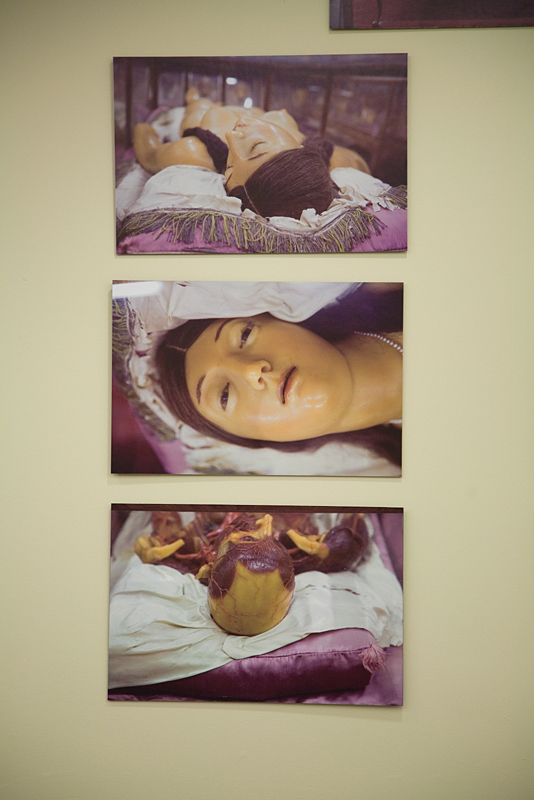
Photos from my photography show Anatomical Theatre, on the very same (wonderful) topic. More photos here and here.

Tuesday, December 25, 2007

Merry Christmas From Krampus and Morbid Anatomy!


When I lived in Budapest, I learned of the Eastern European tradition of Saint Nikolas' evil sidekick, Krampus. This is by far my favorite of Christmas traditions. So, from Morbid Anatomy and our evil sidekick Krampus, a non-denominational Merry Christmas!

Wednesday, December 19, 2007

Another Book For The Wishlist


I just found out about this wonderful looking book: The Anatomist: A True Story of Gray's Anatomy.

It is heartening (sic) to see anatomy increase its inroads into popular culture! Read more about the book here.

Wednesday, December 12, 2007

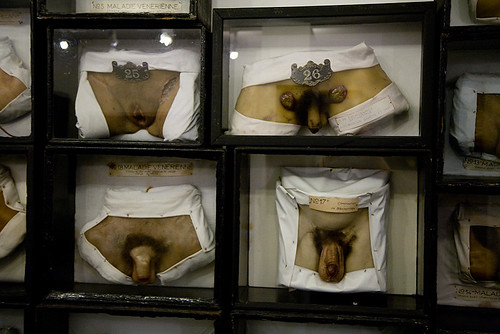
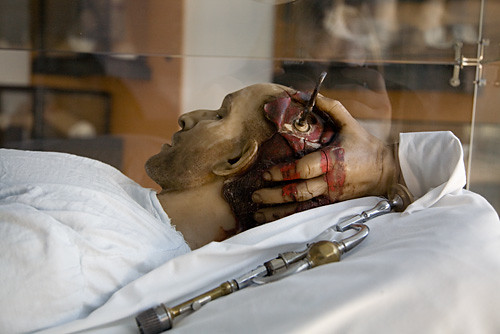
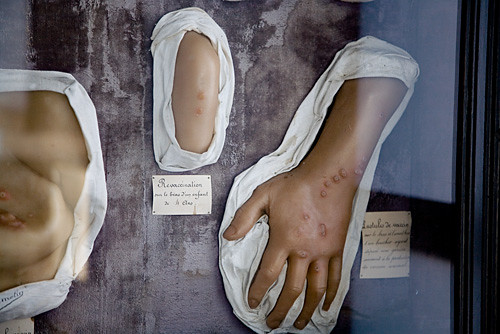
Musée de la Médecine, Brussels, Belgium


When in Belgium recently, I made a special, very rushed visit to the Musée de la Médecine in Brussels; I made the trek because I had come across a few tantalizing clues that perhaps some of the infamous Spiztner models had found their way into the collection. The Spitzner collection was a famous grouping of popular anatomical waxes exhibited around European fairgrounds in the 19th Century; The Spitzner models, and other popular anatomical exhibitions, were pruriently lowbrow, ostensibly educational exhibitions of wax anatomical models, with an emphasis on depictions of the unclothed female form, reproductive organs, and body parts ravaged by a variety of sexually transmitted diseases. They were a kind of pop-culture analogue to the academic, ostensibly neutrally scientific anatomical models, of the sort exhibited at La Specola in Florence.

I am not sure if the models on display at the Musée de la Médecine were actually from the Spitzner collection, but I saw a lot of evidence to suggest that at least some of them were, including what appeared to be original signage from the collection. Sadly, some of the models I had most hoped to see, such as the breathing anatomical woman so important to the surrealistic visions of Paul Delvaux, were not on display. I was unable to find any human being who might be able to answer my questions, so I am still unsure about the breadth or provenance of the collection. If anyone knows anything about this collection, please let me know!

Pictures above taken in the museum; view more here. For historical photos of the collection (from the book Vior-La Collection Spitzner) click here.

For more on the topic: the Spitzner Models are expounded upon quite nicely in a recent post on Bioephemera and researched wonderfully in Kathryn A. Hoffmann's revalatory "Sleeping Beauties in the Faiground: The Spitzner, Pedley and Chemisé Exhibits). See Michael Sappol's wonderful "Morbid Curiosity":The Decline and Fall of the Popular Anatomical Museum" for a history of popular anatomical museums, and a recent Morbid Anatomy post for information focussing on another collection of such models.

Wednesday, December 5, 2007

To Die No More, Blind Pony Books, 2008


Another book to covet this holiday season, co-edited and illustrated by my friend Herbert Pfostl and published by Blind Pony Books. In Herbert's words:

Inspired by Guido Ceronetti's great but little known Silence of the Body, To Die No More is an artist's book about the marvelous embroideries of death taken from many sources both known and long forgotten. 170 fragments - from Aries to Wittgenstein - collected and edited by Herbert Pfostl and Kristofor Minta with splinters by Kristofor Minta, ruins, appropriated by James Walsh, and small paintings of shipwrecks, animals, robbers and ashes by Herbert Pfostl. Made with great care and sober like a good dream. Dedicated to the deeply dead and the truly living.
Note to reader: I have stood, aghast, before this man's library; if that is any hint as to what this book might contain, it is sure to be amazing.

Find out more about the book, distributed by D.A.P.,here.

Tuesday, December 4, 2007

Things to Covet at "That Time of Year"


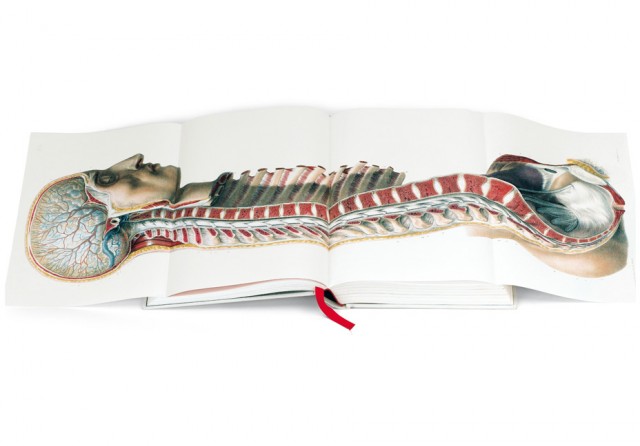
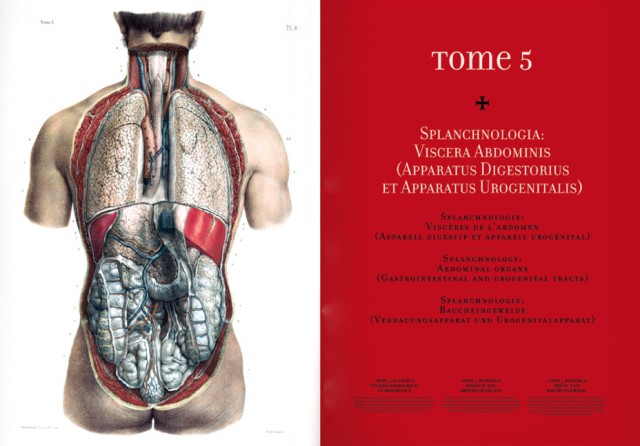
Thanks to my friend Pam of the wonderful Phantasmaphile website for alerting me to reduction in price of the wonderful, (and long coveted, by me at least) Taschen book Atlas of Anatomy and Surgery: The Complete Coloured Plates of 1831-1854 , by J. M. Bourgery (pictured above.) It is a largescale book--11.4 x 15.9 in.--and runs to 714 pages filled with lavish color anatomical plates by illustrator N.H. Jacob. The book is pleasurably reminiscent of the oversized, luxurious folios so popular with collectors over the course of the history of medicine (Vesalius comes to mind...). Taschen is offering it for 50% off, bringing the price down to (the still hefty) $100. But still... It might be worth it? I, for one, am undecided.

Read more about it (and maybe even order a copy for yourself or a loved one?) here.

Sunday, December 2, 2007

India's Underground Trade in Human Remains


I had assumed that the black-market industry dealing in human remains was a thing of the distant past; turns out I was wrong. It seems there is still a steady black-market trade, and it is centered in India; Scott Carney tells (and shows) the fascinating story in this month's Wired Magazine and on NPR.

Carney details the story of how India came to dominate the market supplying display-grade skeletons for medical schools in the United States and Europe. India enjoyed a lucrative and legal trade in the skeletons for over a century; it dominated the market because its product was renowned as the best, with "specimens scrubbed to a pristine white patina and fitted with high-quality connecting hardware." (Wired) The legal trade was banned in 1985, after rumors surfaced that traders were murdering people for their bones. The practice, however, did not end; it simply went underground. Medical schools still needed display skeletons and were willing to pay a handsome price; a lucrative (see above chart) and brisk trade in black-market skeletons surfaced to supply the demand, with traders resorting to digging up graves and other ethically questionable practices to procure product.

This story is fascinating in how it highlights how little has changed, in substance or detail, since the 19th Century, with its Burke and Hare scandals, its graverobbers and resurrectionists, popular fear of the safety of the body after death, and the lucrative nature of the ethically slippery human remains. Like the 19th Century, medical schools are hungry for a supply of human remains, human remains are hard to come by, and enterprising entrepreneurs are rising to the occasion.

Check out the full stories (and images) here and in here.

Wednesday, November 28, 2007

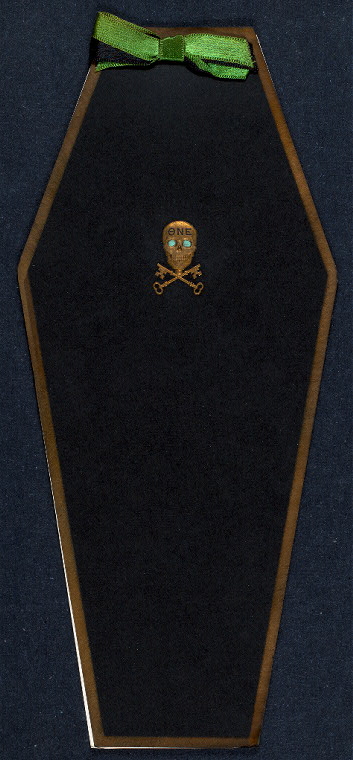
Coffin Menu, 1907


Great coffin-styled menu, via the New York Public Digital Library website. The menu is part of the vast "Ms. Frank E. Buttolph Collection of Menus" and its caption reads: "First annual convention banquet held by Theta Nu Epsilon [a chapter of Skull and Bones] at Hotel Astor, New York, New York." The notes elaborate: "Wines listed; Menu in French; Toasts listed; Lyrics to drinking song on back."

Sunday, November 25, 2007

Skeleton Man Light-up Coin-Operated Amusement


From an upcoming auction at Live Auctioneers:
Skeleton Man Light-up Coin-Operated Cabinet 71'' T x 42'' H x 16'' D. 1930s generic display cabinet with six porcelain light fixtures inside and a glass front door. The figure inside is a medical composition display piece for showing lungs, heart and other organs of the human body along with six more modern Halloween masks and an assortment of rubber spiders, lizards, stink bugs, centipedes, and a skull on a stick. Unique

Unique? To say the least. Thanks so much to Mark Rowley for sending this along!

Thursday, November 15, 2007

Museum Dr. Guislain, Ghent, Belgium


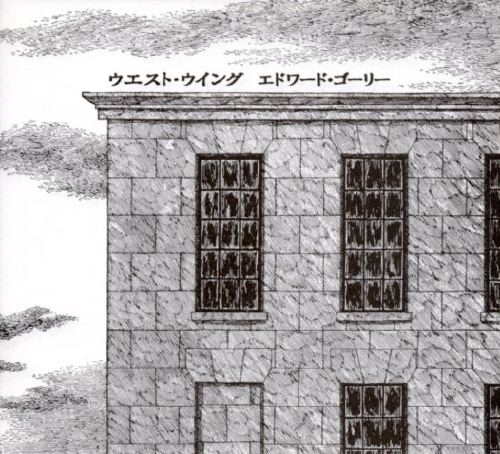
When in Belgium a few weeks ago, I visited a really wonderful museum called The Museum Dr. Guislain. The museum is housed in a 19th Century pschiatric hospital and feels like an Edward Gorey drawing come to life. It is an amazing musuem, containing a few different collections: The first is outsider art, the second is an ongoing inquiry into how photography reveals attitudes about madness past and present, and the third is a history of the hospital and Dr. Guislain and, thus, the cultural history of madness.

In addition to being a really cool museum with ingeniously placed artworks in an atomospere of real 19th madhouse menace--you can almost hear footsteps ringing in the abandoned corridors--they have a wonderful museum shop featuring titles from past exhibitions, many with English translations.

More images here.

Tuesday, November 13, 2007

Danza Macabre Website


Check out Danza Macabre, a lovingly compiled website showcasing a vast collection of historical art images dealing with death and mortality. Takes a few minutes to download, but well worth the wait; a veritable embarrasment of riches. A wide range of imagery, from medical Danse of Death woodcuts, to Durer, Goya, Bosch, Vesalius, Gautier, Robert Geisseler, and 19th century examples. Found via Wikipedia's entry for Danse Macabre.

Monday, November 12, 2007

Absinthe in The New York Times


From today's New York Times:
Dear reader! Should this column impress you as being more than usually lyrical, recalling perhaps the imagery and elegance of poetry by Baudelaire or Verlaine; should it seem a bit decadent, redolent of Oscar Wilde’s withering hauteur; should it have a touch of madness or perversity, combining, say, the tastes of Toulouse-Lautrec with the passions of van Gogh; should it simply sound direct and forceful and knowing like one of Ernest Hemingway’s characters; should it do any or all of that, let me credit something that each of these figures fervently paid tribute to: the green fairy, the green goddess, the green muse, the glaucous witch, the queen of poisons.
Read the whole article, filled with fascinating information (and purchasing tips!) here.