Showing posts with label radio. Show all posts

Tuesday, December 24, 2013

Nothing Says "Merry Christmas" Like Krampus on the BBC!

A very happy Christmas Eve to you! And what better way to celebrate than with Krampus?

Just in time for the holiday, journalist Alina Simone has done a wonderful piece of radio reportage for the BBC's "The World" about the phenomenon of Krampus and the lack of darkness in American culture more generally, focusing on last weekend's Morbid Anatomy and Ghoul a Go Go Krampus party!

Click here to listen; You will find the piece at 18:20 in.

Merry Christmas Eve!

Friday, November 2, 2012

"Death and What it Can Teach us About Improving Life," BBC Radio "Today," November 2

I just got back from the BBC studios, where I engaged in a (very brief) live discussion about death and "what it can teach us about improving life" with Ben Haggarty of the Crick Crack Club as part of the promotion for tonight's "Seize the Day" event at The Wellcome Collection. If you are interested in giving it a listen, click here; the piece begins at about two Hours and fifty five minutes in.

Segment description, from the BBC website:
The Wellcome Trust in London is going to hold an evening of talks about death and what it can teach us about improving life. Joanna Ebenstein, who runs a blog called Morbid Anatomy, and Ben Haggarty, who runs the Crick Crack Club which is a story telling workshop, ask why we find it hard in modern western society to talk about death.
Hope to see you at the event tonight!

Thursday, May 12, 2011

Robert Burton’s "The Anatomy of Melancholy" on the BBC


The BBC Radio 4’s In Our Time has just produced an episode about Robert Burton's 17th masterwork The Anatomy of Melancholy; the book is essentially a 17th Century multi-disciplinary investigation of what was then known as melancholy, and, as the BBC describes, brings together "almost two thousand years of scholarship, from Ancient Greek philosophy to seventeenth-century medicine. Melancholy, a condition believed to be caused by an imbalance of the body’s four humours, was characterised by despondency, depression and inactivity. Burton himself suffered from it, and resolved to compile an authoritative work of scholarship on the malady, drawing on all relevant sources."

Can't wait to give this a listen!

You can listen to the episode by clicking here. Found on the Advances in the History of Psychology website; click here to read full post.

Image: Frontspiece to Robert Burton’s The Anatomy of Melancholy, or The Anatomy of Melancholy, What it is: With all the Kinds, Causes, Symptomes, Prognostickes, and Several Cures of it. In Three Maine Partitions with their several Sections, Members, and Subsections. Philosophically, Medicinally, Historically, Opened and Cut Up, 1621

Wednesday, August 4, 2010

"Bugging Out," Cityscape Radio Show, WFUV


They’re all around us…in our homes, in our places of work, in our backyards, and in the air…what are we talking about? Insects. On this week's Cityscape, we're exploring the world of bugs. We'll talk with the author of a new book called Insectopedia, visit a Manhattan eatery that serves grasshoppers (and eat them too), talk with a Brooklyn artist who dabbles in insect photography and meet a pair of professional "insect-pinners" in SoHo.
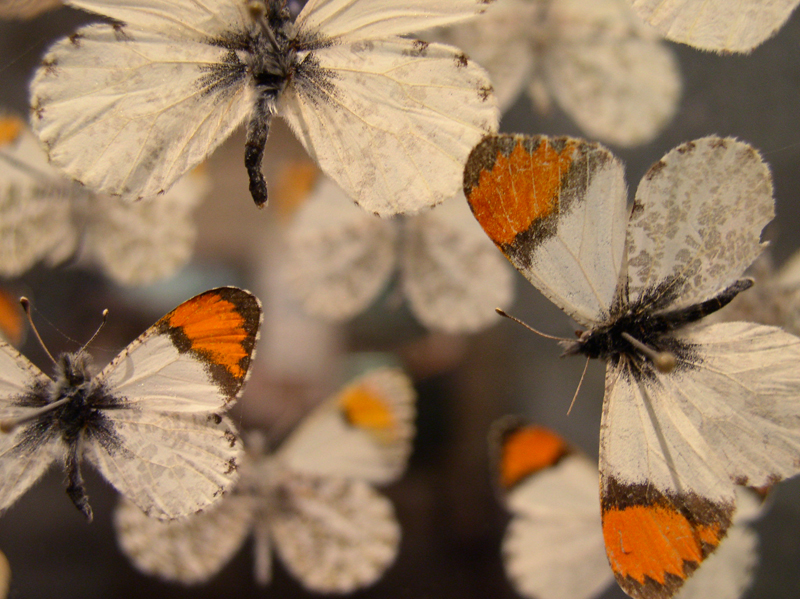
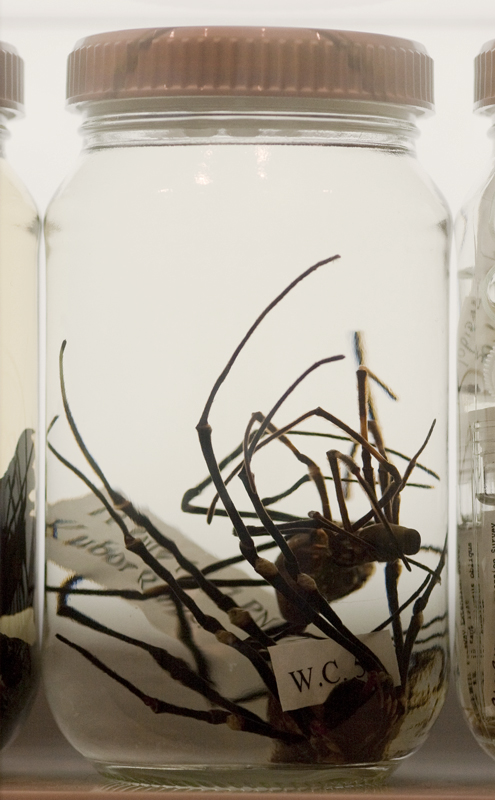
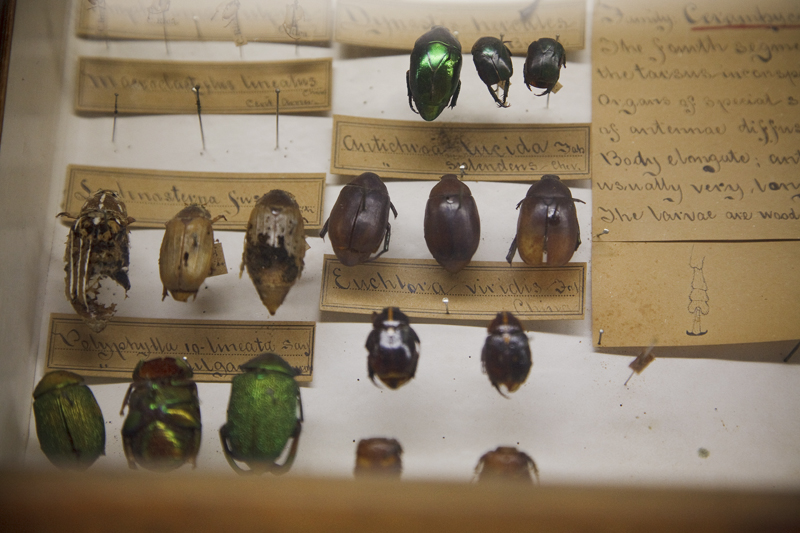
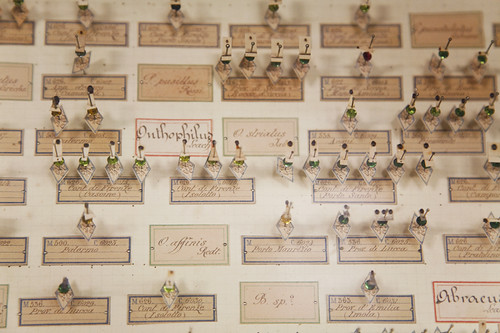
The recent Cityscapes radio show "Bugging Out" plumbs the fascinating world of insects, as described above; one segment--that about the "Brooklyn artist who dabbles in insect photography"--features an interview with me about my insect photographs as shown in the recent Entomologia exhibition at Observatory.

You can give the show--which is interesting from start to finish!-- a listen by clicking here. You can find out more by clicking here. All images are mine, from Observatory's recent Entomologia exhibition; you can find out more about the show, which was brilliantly curated by Michelle Enemark, by clicking here. More about the book Insectopedia by clicking here.

Please note: The photographs you see above from the Entomologia exhibition are still available for sale; if interested, please contact me.

Thursday, July 22, 2010

John Troyer Speaking About Memorial Tattoos on WNYC


John Troyer, who just delivered a lecture at Observatory on Tuesday night entitled "Morbid Ink: Field Notes on the Human Memorial Tattoo," has been interviewed for a short piece on WNYC entitled "Morbid Ink: Memorial Tattoos." You can hear him and read the entire piece by clicking here.

Image: Memorial tattoo by Kat Von D, from the Misatojaganshi blog.

Wednesday, June 3, 2009

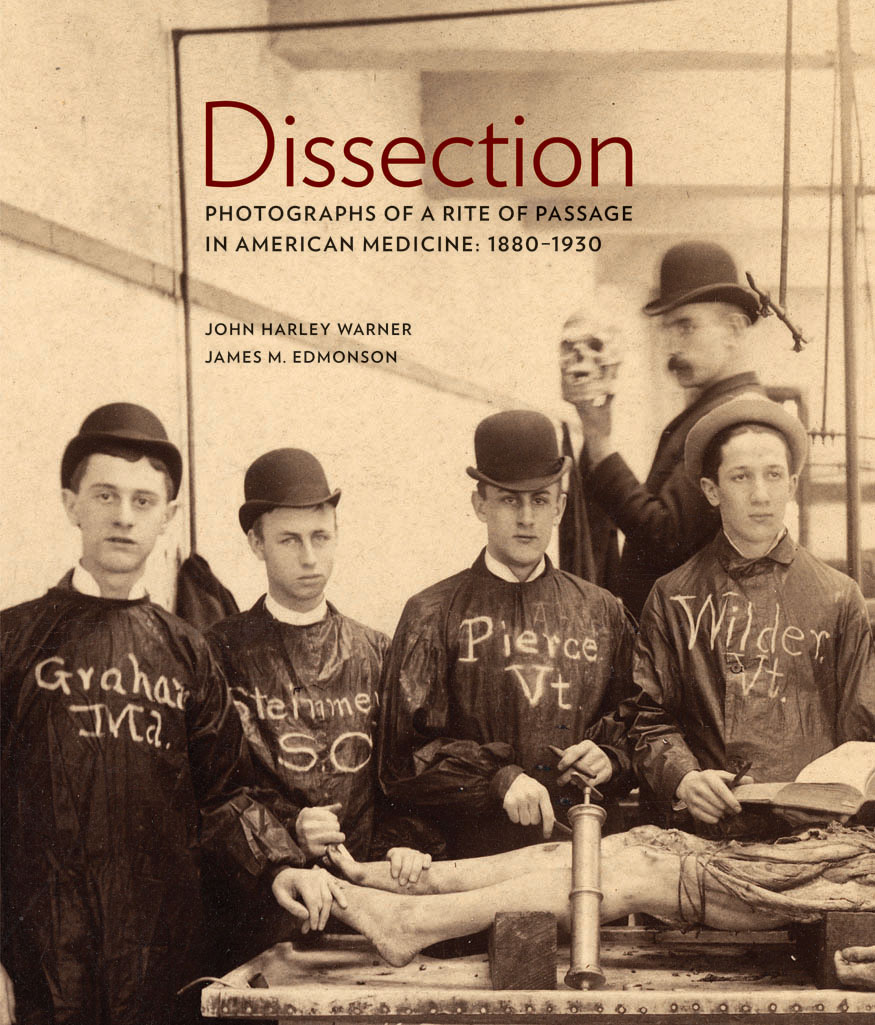
"Dissection: Photographs of a Rite of Passage in American Medicine 1880–1930" on Science Friday!


If you have not done so already, I highly advise giving a listen to last Friday's episode of NPR's Science Friday. Entitled "'Dissection' Documents Med School Rite-Of-Passage," the clip features a really fascinating interview with the Dittrick Museum's James Edmonson talking about the book Dissection: Photographs of a Rite of Passage in American Medicine 1880–1930 which he recently co-authored with John Warner for Blast Books.

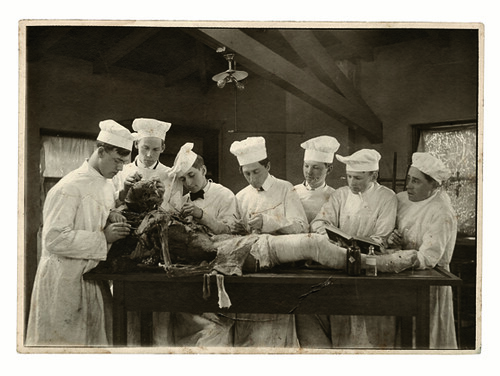
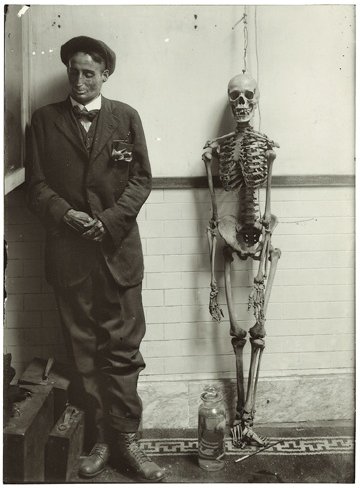
Click here to listen to the interview. More about the book in this previous post. You can purchase a copy of the book (highly recommended!) by clicking here. Images above (click to see larger versions) are drawn from the book, compliments of Blast Books' Laura Lindgren (thanks, Laura!).

Images: 1) School unknown, ca. 1915. The school and dissectors are unidentified, but in other photographs known to be from the University of Minnesota students also gather around the table wearing distinctive toques. DMHC 2) School unknown, undated. Cadaver, dressed in clothing, stands next to a skeleton, with a fluid-preserved foetal specimen

Tuesday, May 20, 2008

Phineas Gage on the BBC!


I just read on the Neurophilosophy blog that the BBC 4 radio show Case Study will be airing a story tomorrow, at 11:00 AM British Summer Time, about the 19th century medical curiosity Phineas Gage.

The BBC website also includes a nice collection of links for those interested in learning more about Gage, as well as information about books, articles, and even a banjo song about the man. A synopsis of the case, and more about the program, from the website:

Phineas Gage was a railway worker in 19th century Vermont who survived a bizarre accident: A metre-long iron rod shot through his head, changing him and the study of neuroscience forever.

In the third programme Claudia visits Harvard Medical School Museum in Boston to see for herself what remains of The Man With The Hole In His Head. At the Oliver Zangwill Centre for Neuropsychological Rehabilitation in Ely, Cambridgeshire she meets clients with brain injuries similar to those suffered by Phineas Gage and discovers how far we've come in understanding and treatment since Gage suffered his appalling trauma on 13 September 1848.

A moment's distraction was Phineas' downfall. As foreman of the gang clearing rocks for the laying of the railway line near Cavendish, Vermont, he was responsible for setting the charge, drilling a hole in the rock and using an iron rod to tamp the explosive down before lighting the fuse. But this time the tamping iron struck the side of the hole, setting a spark which ignited the powder and sent the iron - over a metre long and 3 centimetres in diameter - up through his skull above the eye and out through the top of his head, landing 30 metres away. Unconscious for a few seconds, Gage then got up, rode an oxcart into town and lived for a further 12 years.

But he was no longer the hardworking, dependable and well-liked foreman. Now Gage swore and was shiftless, behaving inappropriately. For the first time here was evidence that the brain affects the way we behave; the scene was set for the mapping of the brain.

Thanks, Lance, for sending this my way!